Updated:
by
Center for Vein Restoration

People choose a vegetarian diet for many reasons. Some are focused on health, while others are motivated by ethical concerns, environmental impact, religious beliefs, cost, cultural traditions, or personal preference.
No matter the motivation behind a vegetarian diet, food choices often become part of the discussion when new health challenges emerge. The appearance of symptoms like varicose veins, spider veins, leg heaviness or fatigue, swelling, or restless legs can naturally lead people to consider whether nutrition plays a role in their vein health.
Until recently, there has been little research to guide that conversation. However, new findings now offer helpful context, showing that the relationship between diet and vein disease may be more nuanced than previously thought.
👉 Book your consultation with a CVR vein specialist today and discover how simple relief can be.
Varicose veins form when the valves inside leg veins weaken and no longer move blood efficiently back toward the heart. Blood pools, pressure builds, and veins stretch and twist. This process is part of chronic venous insufficiency, a progressive form of vein disease that can worsen over time.
According to Mayo Clinic, common risk factors for varicose veins include genetics, aging, being female, pregnancy, obesity, and prolonged sitting and standing. While diet is not considered a direct cause, nutrition can influence blood vessel health, obesity, inflammation, and circulation, all of which matter when it comes to vein problems.
A major 2023 study published in Frontiers in Nutrition analyzed data from nearly 10,000 adults enrolled in the Taiwan Biobank to examine whether vegetarian diets were associated with varicose veins. Researchers examined men and women separately, which proved essential for understanding how diet and biology interact.
The findings may surprise you.
Women were much more likely to have varicose veins than men
About 35 percent of women in the study had varicose veins, compared to only 12 percent of men. This mirrors what vein specialists see in clinical practice and underscores the role of female biology.
Vegetarian men had a higher risk
Men who followed a vegetarian diet were about 1.5 times more likely to develop varicose veins than men who ate meat.
Diet did not significantly change the risk for women
Women had higher rates of varicose veins regardless of whether they were vegetarian or not, suggesting diet had little effect on overall risk in women.
Jobs involving long hours of standing increased the risk
This finding aligned with longstanding medical knowledge. Prolonged standing increases pressure in leg veins and worsens venous insufficiency.
Exercise appeared protective
People who exercised regularly had slightly lower odds of developing varicose veins, reinforcing the importance of movement for healthy circulation.
What This Means at a Glance

The study did not suggest that vegetarian diets cause varicose veins. Instead, researchers proposed that nutrient differences may help explain the association seen in men.
Two nutrients stood out:
Women’s increased risk of varicose veins is believed to be driven largely by hormonal factors and pregnancy, rather than diet.
A review in Phlebology, published in PubMed, found that higher levels of the female hormones estrogen and progesterone relax vein smooth muscle and collagen, reducing the ability of veins to maintain tone and making them more prone to stretching and valve failure, which can contribute to varicose veins.
This helps explain why women in the 2023 Frontiers in Nutrition study had a higher risk regardless of dietary pattern.
According to the Cleveland Clinic, lifestyle changes, such as diet and elevation, can ease varicose vein symptoms, but they do not cure or eliminate the underlying structural vein disease. That said, a balanced diet can indirectly support vein health by helping to manage weight, reduce inflammation, and improve circulation. For vegetarian men, ensuring adequate intake of vitamin B12 and iron may be especially important.
Self-care and nutrition may provide comfort, but only medical evaluation and treatment can address the actual valve dysfunction that causes chronic venous insufficiency.
If leg pain, swelling, heaviness, or visible veins are affecting your daily life, a Center for Vein Restoration vein specialist can identify the cause and explain your treatment options.
Regardless of diet, certain habits are consistently linked to healthier veins:
Exercise helps calf muscles pump blood upward, reducing pressure in leg veins and easing symptoms like swelling and heaviness.
Leg pain, swelling, heaviness, restless legs, or visible veins are signs of venous insufficiency. This progressive condition is not merely “cosmetic” and does not resolve on its own.
Center for Vein Restoration uses advanced painless ultrasound to diagnose the problem and provide minimally invasive, outpatient treatment options.
Do not wait for symptoms to worsen! Schedule an evaluation with Center for Vein Restoration, the nation’s largest physician-led vein center.
📞 Call Center for Vein Restoration at 240-249-8250
📅 Or book online HERE
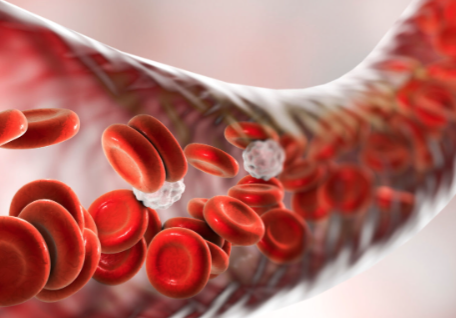 About Vein Disease
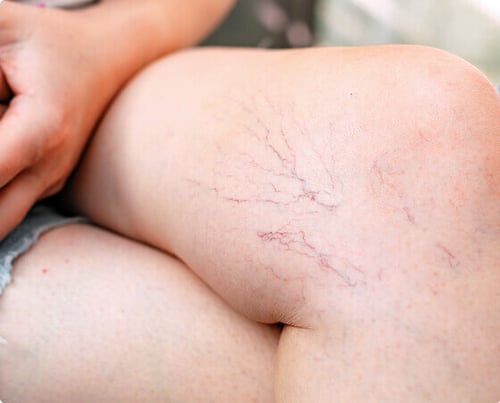 Spider Veins
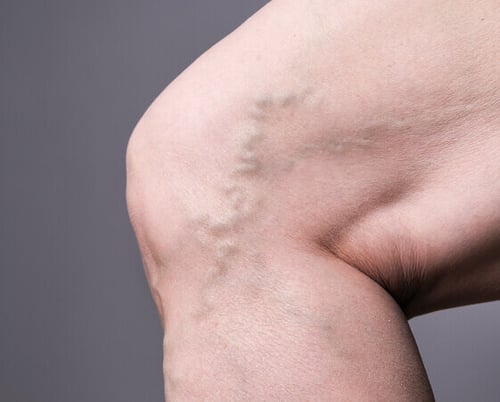 Varicose Veins
 Vein Disease Treatments
 Treating Spider Veins
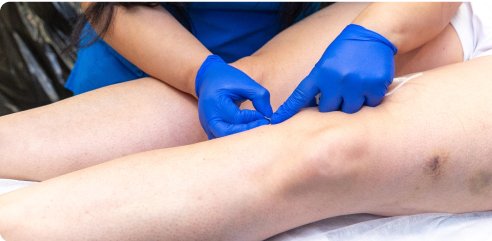 Treating Varicose Veins
 About Us
 Patient Resources
 Physician Resources