Updated:
by
Center for Vein Restoration

If you have varicose veins, spider veins, leg pain, swelling, or chronic venous insufficiency, you might think vein disease only affects the legs. However, a less-known condition called renal vein thrombosis (RVT) shows that vein issues can occur much deeper in the body, sometimes related to the same circulatory problems that cause visible leg veins.
Renal vein thrombosis is rare. According to Penn Medicine, it occurs when a blood clot forms in the vein that drains the kidney, sometimes developing silently or suddenly causing flank pain, bloody urine, and reduced kidney function. It often appears in people with underlying kidney or clotting conditions such as nephrotic syndrome, kidney disease or tumors, dehydration, pregnancy, estrogen use, abdominal trauma, or inherited clotting disorders, making prompt diagnosis and treatment essential for protecting long-term kidney health.
While RVT is not caused by varicose veins, both conditions share underlying risks, including impaired blood flow, venous congestion, and increased vein pressure. Understanding how these problems overlap can help you recognize symptoms earlier and protect your vein health more effectively.

If you’re noticing swelling, leg pain, visible veins, or any new circulation concerns, a vein expert at Center for Vein Restoration (CVR) can help you understand what’s going on and rule out more serious issues. Our board-certified vein specialists offer comprehensive evaluations and minimally invasive treatments designed to restore healthy blood flow.
📍Find a Center for Vein Restoration near you HERE
This blog explains RVT in simple terms, explores its relationship to varicose veins and venous insufficiency, and offers guidance on when to seek help from a vein specialist.
Renal vein thrombosis occurs when a clot blocks the renal vein, the vessel that carries blood away from the kidney. According to the National Library of Medicine (NIH), RVT can develop slowly and go unnoticed or appear suddenly and cause acute kidney injury, flank pain, decreased urine output, and hematuria (blood in the urine).
Common causes include:
Most patients never experience symptoms. Others may feel back or side pain, nausea, or swelling. Left-sided RVT can even lead to pelvic congestion syndrome in women or varicocele in men because of backup pressure in nearby veins.
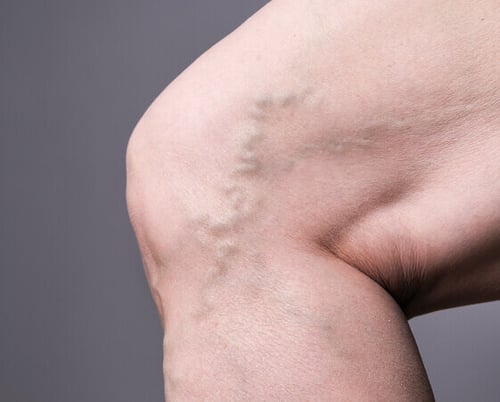
Renal vein thrombosis does not cause varicose veins in the traditional sense. Varicose veins of the legs result from valve failure within superficial leg veins, leading to pooling of blood, bulging veins, swelling, and aching. But recent case reports highlight deeper connections between RVT and chronic venous insufficiency.
One example is a 2025 case study published in the Journal of the American Society of Nephrology. A healthy 34-year-old woman with long-standing varicose veins developed renal vein thrombosis. Imaging later revealed a congenital interruption of her inferior vena cava (IVC), the body’s main vein. The missing IVC forced blood to reroute through other veins, causing stasis, elevated venous pressure, and eventually a renal vein clot. It also explained her early varicose vein development.
This case shows that:
Most people with varicose veins will never develop renal vein thrombosis. However, both conditions relate to how well your veins move blood back to the heart. When flow slows or pressure rises, problems can develop in different parts of the venous system.
Although RVT and varicose veins are different conditions, they share overlapping risk factors:
Hypercoagulability (a clot-prone blood state)
As reported by the NIH in the publication “Hypercoagulability and nephrotic syndrome,”patients with clotting disorders or nephrotic syndrome are more likely to form clots, including in the renal veins. These same conditions may also worsen inflammation and swelling in the legs.
Venous stasis
When blood moves too slowly, clot formation becomes more likely. Chronic venous stasis is a progressive condition in which weakened vein valves allow blood to pool in the legs, leading to symptoms such as varicose veins, leg pain, swelling, skin changes, and even slow-healing sores. Understanding its causes, risks, and treatment options is essential because early evaluation and minimally invasive treatment can prevent complications and help restore proper circulation.
Increased venous pressure
RVT can increase pressure in nearby pelvic or gonadal veins. In the legs, higher pressure contributes to what causes varicose veins by weakening valves and enlarging vein walls.
Congenital venous anomalies
As the 2025 case report shows, missing or abnormal veins can contribute to both varicose veins and deep venous thrombosis, including RVT.
Pregnancy and hormonal changes
Mayo Clinic confirms that estrogen and pregnancy increase the risk of blood clots. These same factors also raise your risk of varicose veins.
Because RVT affects the kidneys, symptoms differ from the leg symptoms linked to varicose veins or venous insufficiency. However, recognizing warning signs can help distinguish between the two.
Symptoms of Renal Vein Thrombosis
Symptoms of Varicose Veins or Venous Insufficiency
If you experience symptoms from either category, especially persistent pain or swelling, a consultation with a Center for Vein Restoration vein specialist is vital. Schedule your appointment today for a precise diagnosis and fast, effective treatment that protects your circulation and prevents long-term complications. Your legs will thank you for acting now.
While leg vein disease is diagnosed with duplex ultrasound at a vein center, renal vein thrombosis requires deeper imaging. Cleveland Clinic notes that while renal venography was historically the gold-standard test for diagnosing renal vein thrombosis, it has been replaced by noninvasive imaging modalities such as computed tomography and magnetic resonance venography.
Renal Vein Thrombosis
Management focuses on treating the underlying cause and preventing clot progression, similar to patients with pulmonary embolism (PE) or deep venous thrombosis (DVT).
According to the NIH, treatment may include:
Varicose Veins and Venous Insufficiency
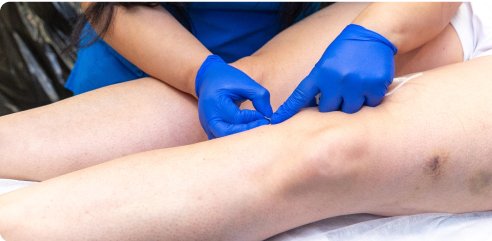
A Center for Vein Restoration vein specialist may recommend minimally invasive treatment options such as:
All treatments at Center for Vein Restoration are performed as an outpatient, often in an hour or less, require only local anesthetics, and focus on restoring healthy circulation. Patients walk out of the office after treatment and can return to normal activities with few restrictions.
CVR accepts many insurances, including Aetna, Amerigroup, Anthem, Blue Cross/Blue Shield, Cigna, MultiPlan, Medicaid, Medicare, and more.
📞 Call Center for Vein Restoration at 240-249-8250
📅 Or book online HERE
Renal vein thrombosis is uncommon, but it highlights an important truth: vein disease is a system, not a single problem. Issues such as venous stasis, pressure overload, and congenital vein differences can affect both kidney-level circulation and leg vein health.
A Center for Vein Restoration vein specialist can determine whether your symptoms are related to leg vein disease or if deeper veins may be involved. Early evaluation protects your circulation, reduces complications, and ensures you receive the right vein treatment at the right time.
1. Can renal vein thrombosis cause varicose veins?
No, renal vein thrombosis (RVT) does not cause traditional leg varicose veins, which come from valve failure in superficial leg veins. However, both conditions can stem from problems with blood flow, pressure, or congenital vein abnormalities, meaning they sometimes share underlying risk factors.
2. How are RVT symptoms different from varicose vein symptoms?
RVT affects the kidney, so symptoms often involve flank or abdominal pain, blood in the urine, or decreased urine output. Varicose veins and venous insufficiency cause leg pain, swelling, heaviness, visible veins, and symptoms that worsen with standing.
3. Should I worry about RVT if I have varicose veins?
Most people with varicose veins will never develop renal vein thrombosis. Still, if you have long-standing venous pressure problems or a history of clotting disorders, a vein specialist can help determine whether deeper venous issues may be contributing to your symptoms.
4. How is renal vein thrombosis diagnosed?
Unlike leg vein disease, which is diagnosed with duplex ultrasound, RVT requires deeper imaging such as CT or MR venography. These tests can locate the clot, evaluate kidney function, and identify potential causes like compression or congenital abnormalities.
5. What treatments are available for RVT and for varicose veins?
RVT treatment focuses on managing the underlying cause and preventing clot progression, usually with anticoagulation and careful monitoring. Varicose veins and venous insufficiency are treated with minimally invasive outpatient procedures at Center for Vein Restoration, including ablation, sclerotherapy, and microphlebectomy to restore healthy circulation.
 About Vein Disease
 Spider Veins
 Varicose Veins
 Vein Disease Treatments
 Treating Spider Veins
 Treating Varicose Veins
 About Us
 Patient Resources
 Physician Resources