Updated:
by
Center for Vein Restoration

According to AAA, pickleball is officially America's fastest-growing sport for the fourth consecutive year, and it's easy to see why. It's social, low-impact, and fun for players of all ages. But if you've ever noticed your legs feeling heavy, achy, or swollen after a match, your body may be sending you an important message about your vascular health.
Whether you're a Lobster, Banger, Spin Doctor, or a Kitchen Ninja, understanding the connection between pickleball and vein health could make a real difference in how you feel on and off the court.
If pickleball has become part of your lifestyle, understanding the relationship between the sport and your vascular health isn't just useful; this may be one of the most important things a paddle addict can read this season.
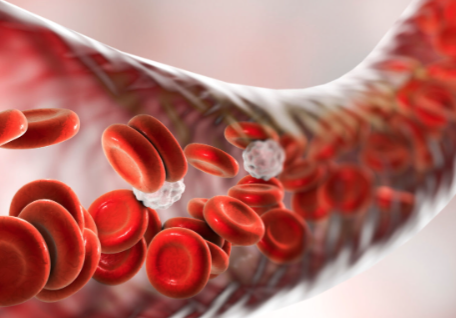
Your leg veins have a demanding job: pushing blood upward against gravity, all the way back to your heart. Veins rely on tiny one-way valves to keep blood flowing in the right direction. When those valves weaken or become damaged, blood pools in the legs, a condition known as venous insufficiency, also called vein disease.
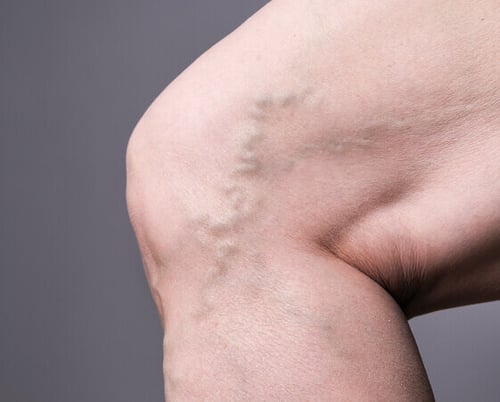
According to the National Heart, Lung, and Blood Institute (NHLBI), when vein walls or valves fail, blood flows backward (a process called "reflux"), and the veins can enlarge and become distorted, resulting in varicose veins. Left untreated, venous insufficiency can progress from mild discomfort to serious complications, including skin changes, chronic swelling, and venous ulcers.
This is particularly relevant for the pickleball community.
Unlike many sports dominated by younger athletes, pickleball has found its most devoted following among adults in their 50s, 60s, and 70s. This demographic overlap is significant because age is one of the strongest independent risk factors for vein disease. As we get older, vein walls lose elasticity and valves weaken, making venous insufficiency increasingly common with each passing decade.
When you layer that biological reality on top of extended time on your feet, repetitive lateral movement, and the heat of outdoor courts, the question of how pickleball interacts with your vascular health becomes one worth taking seriously.
If you're an active pickleball player experiencing leg pain, swelling, or visible varicose veins, now is the time to get answers. The vein specialists at Center for Vein Restoration (CVR) offer comprehensive vein evaluations to assess your risk and create a personalized treatment plan so that you can stay on the court and ahead of vein disease.
Schedule your consultation today at a CVR vein center near you.
📞 Call Center for Vein Restoration at 240-249-8250
📅 Or book online HERE
Before you hang up your paddle, know this: physical activity is one of the most powerful tools for promoting healthy veins. The calf muscles act as a "second heart," pumping blood upward through the legs every time they contract. When you play pickleball, those muscles are working hard, and your veins can benefit.
Mount Sinai notes that pickleball offers multiple vascular benefits, including improved circulation, lower blood pressure, better blood sugar control, weight management, and stronger cardiovascular health overall. The social nature of the game also keeps players coming back consistently, which means the circulatory benefits compound over time.
The National Heart, Lung, and Blood Institute (NHLBI) confirms that staying physically active helps blood move through your veins and that walking and other forms of exercise cause the lower leg muscles to contract, encouraging blood to return toward the heart rather than pooling in the veins.
In short, pickleball can be good for your veins, with some important caveats.
Vein problems don't always announce themselves dramatically. Many people dismiss early symptoms as "just part of getting older," but leg pain, swelling, heaviness, throbbing, and visible varicose veins or spider veins are not to be brushed off.
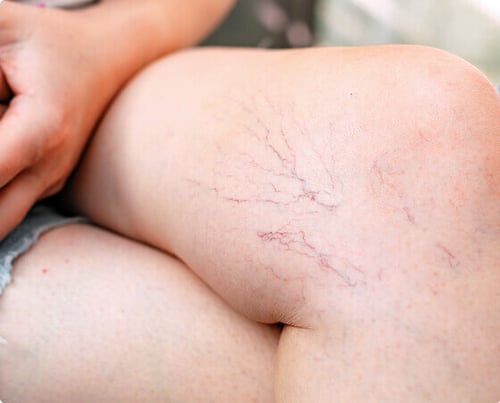
Varicose veins are enlarged, twisted veins caused by increased blood pressure in the superficial veins of the legs. Spider veins, a milder type, are smaller red or blue vessels visible just under the skin — often appearing in a web-like pattern. Both can be signs of underlying vein disease.
Watch for these warning signs during or after pickleball play:
MedlinePlus, a resource from the U.S. National Library of Medicine, notes that when blood flow through the veins becomes sufficiently impaired, leg swelling, pain, blood clots, and skin changes can all result. The sooner they're addressed, the better the outcomes.
👉 Book your consultation with a CVR vein specialist today and discover how simple relief can be.
Playing pickleball in the heat adds another layer of risk for those with vein problems. Heat causes veins to dilate, which can increase pooling and make leg pain and swelling more pronounced. At the same time, dehydration thickens the blood, slowing circulation and raising the risk of clotting.
Drinking plenty of water throughout the day, especially when playing outdoors in the heat, helps prevent blood from becoming thicker and reduces the risk of clotting. Hydration is a simple but often overlooked part of vein health for active players. The Arizona Department of Health Services recommends drinking at least 64 ounces of water daily when indoors and hydrating more frequently with breaks when spending time outside, especially in extreme heat. Individuals on certain medications may require additional hydration, particularly since thirst sensitivity declines with age.
If you notice that your leg symptoms consistently worsen after outdoor summer matches, that's a meaningful pattern worth discussing with a board-certified Center for Vein Restoration vein specialist.
📍Find a Center for Vein Restoration vein clinic near you HERE
Whether you've already been diagnosed with vein problems or want to keep your circulation in top shape, these strategies can help:
Wear graduated compression socks or stockings. Compression garments improve venous return and reduce swelling and heaviness, making them a game-changer for players with varicose veins or venous insufficiency. Many players find they can play longer and recover faster when wearing them.
Warm up and cool down with purpose. Light stretching and walking before and after games improves circulation and reduces injury risk. Skip straight-to-court play, especially first thing in the morning.
Stay hydrated. Drink water before, during, and after your match. Proper hydration supports healthy blood viscosity and circulation.
Elevate your legs after play. Elevating your legs above heart level 3–4 times per day for 15 minutes to improve blood flow and reduce pressure in the veins.
Avoid prolonged sitting after matches. After the adrenaline of a good game, it's tempting to sit for extended periods. Keep moving to prevent blood from pooling.
Maintain a healthy weight. Excess body weight puts additional pressure on the veins in your legs, accelerating the progression of vein disease.
Pickleball is a wonderful sport for your overall health, and it can be great for your veins, too. The goal isn't to stop playing — it's to play smart and pay attention to what your body is telling you. If you've been pushing through heaviness, swelling, or aching that flares up on the court, your veins may be telling you something important — and the right vein specialist will help you listen.
Center for Vein Restoration is the most trusted name in venous care, with a nationwide network of board-certified vein doctors dedicated to one thing: helping patients feel better and live more actively.
From your initial evaluation to your last treatment, our team brings unmatched expertise to every condition we treat, because vein health isn't a side specialty for us. It's everything we do.
Don't wait for symptoms to worsen. Find a CVR vein center near you and discover what it feels like to play and live with healthy legs.

1. Can playing pickleball make varicose veins worse?
Pickleball itself isn't a direct cause of varicose veins, but prolonged time on your feet, heat exposure, and dehydration can aggravate existing vein disease and intensify symptoms like leg pain and swelling. If you already have varicose veins or venous insufficiency, wearing compression socks and staying hydrated can help protect your veins while you play.
2. What are the early signs of vein disease I should watch for?
Early warning signs of vein disease include leg heaviness, aching, ankle or calf swelling, visible bulging veins, and a burning or itching sensation along a vein. If these symptoms appear or worsen after physical activity, such as pickleball, it's important to consult a board-certified vein specialist rather than dismissing them as a normal part of aging.
3. Are compression socks actually necessary for pickleball players with vein problems?
For players with varicose veins, venous insufficiency, or chronic leg swelling, graduated compression socks are one of the most effective and non-invasive tools for improving circulation and reducing discomfort during play. Many players report being able to play longer and recover faster simply by incorporating compression into their routine.
4. At what age should I start worrying about vein health?
While vein disease can develop at any age, the risk increases significantly after 50 as vein walls lose elasticity and valves begin to weaken. Adults in their 50s, 60s, and 70s, the most active pickleball demographic, should consider a vein evaluation even in the absence of obvious symptoms, since venous insufficiency often progresses silently before becoming visible or painful.
5. What vein treatments are available, and do they require a long recovery?
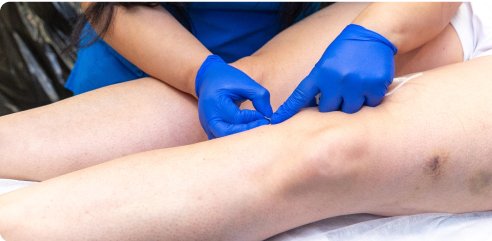
Today's vein treatments, including sclerotherapy, radiofrequency ablation, and endovenous laser ablation, are minimally invasive, highly effective, and typically performed in-office in under an hour with little to no downtime. At Center for Vein Restoration, our vein specialists create personalized treatment plans so patients can get back to the activities they love, including pickleball, as quickly as possible.
 About Vein Disease
 Spider Veins
 Varicose Veins
 Vein Disease Treatments
 Treating Spider Veins
 Treating Varicose Veins
 About Us
 Patient Resources
 Physician Resources