Updated:
by
Center for Vein Restoration

Have you ever noticed that your legs feel unusually cold, or sometimes overly warm, and cannot seem to regulate their temperature? For many people living with venous insufficiency, this strange sensation is more than a comfort issue. It can be an early sign that circulation in the legs is not working properly.
In this blog, we will explain what poikilothermia is, how it relates to vein disease, when to see a vein expert, and how modern vein treatment can help restore comfort and confidence.
If your legs are frequently cold, overly warm, or unable to adjust to temperature changes, it may be time to look beyond the weather. Schedule a consultation with Center for Vein Restoration to determine whether circulation problems or venous insufficiency are causing your symptoms and learn which modern vein treatments can help restore comfort and balance.
📞 Call Center for Vein Restoration at 240-249-8250
📅 Or book online HERE
Poikilothermia is a condition in which part of the body cannot properly regulate its own temperature. Instead of staying warm or cool as needed, the affected area takes on the temperature of its surroundings.
According to the National Library of Medicine (NIH), poikilothermia can occur when blood vessels are unable to respond normally to temperature changes or metabolic demands.
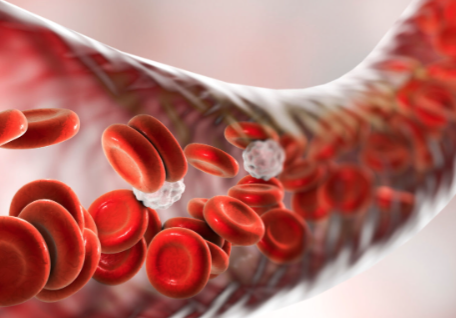
Healthy veins move blood from the legs back to the heart in a steady, efficient cycle. When vein valves weaken or fail, blood flows backward and pools in the lower legs. This condition, known as chronic venous insufficiency, limits the body’s ability to regulate temperature in the legs.
The Cleveland Clinic explains that poor circulation makes it harder for blood to deliver oxygen, nutrients, and heat to areas farthest from the heart, especially the legs and feet. When cells do not get what they need, temperature control and comfort suffer. This can lead to symptoms such as:
The good news is that these symptoms are not something you have to live with. Modern outpatient vein treatment focuses on correcting faulty veins and improving blood flow, which can help restore healthier temperature regulation, reduce swelling and leg pain, and improve overall comfort and mobility.
At Center for Vein Restoration, your vein specialist will start with a thorough health history and a painless duplex ultrasound to pinpoint problem veins. You will leave with a custom treatment plan designed to address the underlying circulation issue and help restore lasting leg comfort, healthier temperature control, and confidence in your mobility.

Yes. Poikilothermia can be closely linked to vein disease, especially chronic venous insufficiency.
In healthy circulation, veins and arteries work together to efficiently move blood, oxygen, and heat. When venous insufficiency develops, blood pools in the lower legs instead of returning to the heart. This disrupts normal heat delivery and release, making it harder for the legs to regulate temperature.
As a result, people with vein disease may experience:
Research highlighted the National Library of Medicine (HIH) finds that disturbances in microcirculation of the lower leg play a role in complications of chronic venous disease, such as inflammation, edema, and skin changes. These microvascular changes can influence how the skin feels and responds to temperature.
When cold legs are persistent, uneven, or combined with swelling or visible veins, it is often a sign of an underlying vein problem rather than aging or weather changes.
Difficulty regulating leg temperature is often a sign that blood flow is not functioning correctly. Center for Vein Restoration offers physician-led evaluations using painless ultrasound imaging to identify problem veins and create a personalized treatment plan focused on improving circulation, reducing discomfort, and protecting long-term leg health.
If cold legs are paired with any of the following, it is time to consult a vein doctor:
Early evaluation by a vein specialist can help prevent symptoms from progressing and identify treatment options before complications develop.
👉 Book your consultation with a CVR vein specialist today and discover how simple relief can be.
You do not have to live with legs that feel cold, clammy, or uncomfortable day after day. A consultation with a vein specialist can determine whether vein disease is affecting temperature regulation and help you take the next step toward relief with safe, minimally invasive vein treatment options.
📞 Call Center for Vein Restoration at 240-249-8250
📅 Or book online HERE
Modern vein treatment focuses on correcting faulty veins so blood can flow through healthier pathways. Treatment options may include:
By improving circulation, these treatments can help reduce leg pain, swelling, and temperature irregularities over time.
📍Find a Center for Vein Restoration near you HERE
While poikilothermia itself is not always dangerous, it is often a sign that something deeper is happening with circulation. Managing vein disease early can help protect long-term leg health, comfort, and mobility.
Supportive steps may include:
If cold, uncomfortable legs are affecting your daily life, do not suffer in silence. Scheduling an evaluation can help determine whether circulation or vein disease is the cause and guide you toward effective, minimally invasive treatment options.
1. What is poikilothermia, and why do my legs feel cold or overly warm?
Poikilothermia is a condition in which part of the body has trouble regulating its temperature and instead takes on the temperature of its surroundings. In people with venous insufficiency, poor circulation can limit the delivery and release of heat in the legs, causing them to feel unusually cold, unusually warm, or inconsistent in temperature.
2. Can venous insufficiency really cause cold legs?
Yes, chronic venous insufficiency can interfere with normal blood flow, making it harder for warm, oxygen-rich blood to reach the lower legs. When blood pools instead of returning efficiently to the heart, the legs may feel persistently cold, clammy, or uncomfortable, even in warm environments.
3. When should I see a vein specialist for cold legs?
You should see a vein specialist if cold legs persist or occur with symptoms such as swelling, leg pain, varicose veins, or skin changes. These signs often indicate an underlying vein problem that benefits from early evaluation and treatment.
4. Can vein treatment help improve leg temperature and comfort?
Modern vein treatments focus on correcting faulty veins and improving circulation, which can help restore healthier temperature regulation in the legs. Many patients also experience reduced swelling, less leg pain, and improved overall comfort after treatment.
 About Vein Disease
 Spider Veins
 Varicose Veins
 Vein Disease Treatments
 Treating Spider Veins
 Treating Varicose Veins
 About Us
 Patient Resources
 Physician Resources