Updated:
by
Center for Vein Restoration

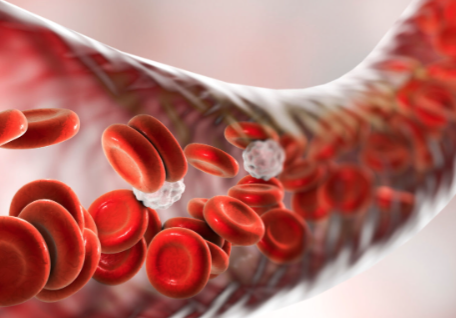
If you’ve ever been told you have chronic venous insufficiency, a vein condition where blood doesn’t flow properly out of your legs, you already know it can cause swelling, skin changes, and even leg ulcers. But did you know that this vein problem can also affect the smallest blood vessels in your skin? Scientists have found that when vein pressure stays high for a long time, it can damage tiny capillaries, leading to what doctors call microangiopathy, or small-vessel disease.
This small-vessel damage shares some similarities with a rare but serious condition called thrombotic microangiopathy (TMA). While they are not the same disease, both involve injury to the smallest blood vessels and can cause poor blood flow to nearby tissues.
High vein pressure can harm tiny blood vessels, leading to leg swelling and venous ulcers. Discover how expert vein care restores healthy circulation. Schedule an appointment with Center for Vein Restoration (CVR) today.

Thrombotic microangiopathy is a group of conditions in which tiny blood vessels become damaged and form tiny clots. According to Healthline, TMA occurs in about 1 to 3 people out of 1 million. These clots can block blood flow, leading to tissue injury. In severe cases, TMA can affect major organs, such as the kidneys and brain, and can cause anemia and low platelet counts.
Healthgrades points out that TMA is the defining feature of two life-threatening disorders, hemolytic uremic syndrome (HUS) and thrombotic thrombocytopenic purpura (TTP), and requires immediate medical attention. With early diagnosis and prompt treatment, most people recover, though ongoing monitoring is often needed to prevent complications or recurrence.
Chronic venous insufficiency (CVI) is much more common and less of a medical emergency, but it can still affect blood flow and reduce quality of life. CVI occurs when the valves in the leg veins wear down and fail to function correctly. When working properly, these valves keep blood moving upward toward the heart, but when they weaken, blood backs up in the veins, causing pressure to build in the legs.
Left unaddressed, chronic venous insufficiency (also known as vein disease) can continue to progress, leading to increasing leg discomfort, swelling, visible vein changes, and skin discoloration as pressure builds in the veins and surrounding tissues. The longer CVI goes unchecked, the harder it becomes to restore healthy circulation, making early evaluation especially important.
At Center for Vein Restoration, our board-certified vein specialists use advanced diagnostics and minimally invasive treatments to identify vein problems early and keep them from progressing. If you’ve noticed changes in your legs or skin that feel new or concerning, it could be related to vein health. Now is the time to take action.
📅 Schedule your consultation today | 📞 Call 240-249-8250
When leg veins stay under pressure for months or years, that extra force gets transmitted into the smaller blood vessels (capillaries) in the skin.
Research published in the National Library of Medicine (NIH) found that this increased pressure can cause:
These small-vessel changes explain many of the symptoms people with CVI experience: dark discoloration of the skin near the ankles, thick or tight skin in the lower legs, and slow-healing wounds known as venous ulcers.
Don’t ignore the warning signs!
If you’ve noticed dark skin changes, tightness, or slow-healing wounds on your legs, your veins may be under dangerous pressure. Schedule a consultation with Center for Vein Restoration today to protect your circulation and prevent lasting skin damage and venous ulcers.
While CVI and TMA are very different in severity, they share a few key processes:
In CVI, this process happens slowly and mainly affects the legs. In TMA, it occurs suddenly and involves the entire body, requiring urgent medical treatment.
Researchers at the American Venous Forum note that these microvascular changes in CVI often appear before ulcers form, meaning they’re an early warning sign of more serious complications if left untreated.
Remember: When it comes to leg health, early action is vital to preventing serious skin and vein complications. Schedule your Center for Vein Restoration vein consultation today!
📞 Call Center for Vein Restoration at 240-249-8250
📅 Or book online HERE
A study published by the National Library of Medicine (NIH) found that as chronic venous insufficiency becomes more severe, the tiny blood and lymphatic vessels in the skin become damaged, leaky, and in advanced cases blocked by small clots. These changes reduce oxygen delivery and disrupt fluid drainage, weakening skin tissue and increasing the risk of inflammation and poor healing.
These findings help explain why advanced CVI often leads to swelling, skin breakdown, and hard-to-heal venous ulcers, showing that both the blood and lymphatic systems are affected.
If you’re noticing swelling, skin discoloration, or slow-healing spots on your lower legs, now is the time to get evaluated before these small-vessel changes progress. Schedule a consultation with a board-certified vein specialist at Center for Vein Restoration to protect your circulation, skin health, and long-term mobility.
Understanding how small-vessel damage contributes to chronic venous insufficiency (CVI) helps explain why:
If you have CVI or varicose veins, these steps can help preserve your microcirculation:
Both thrombotic microangiopathy and chronic venous insufficiency involve injury to the body’s smallest blood vessels. In chronic venous insufficiency, prolonged venous pressure can damage these capillaries, leading to inflammation, tiny clots, and skin damage. Early vein care protects more than comfort—it safeguards your skin and circulation.
If you notice swelling, skin color changes, or slow-healing wounds, schedule a consultation with a board-certified vein specialist at Center for Vein Restoration today.
1. Can chronic venous insufficiency (CVI) really affect the smallest blood vessels in my skin?
Yes. When vein pressure stays high for long periods, it can damage tiny capillaries and lymphatic vessels. This damage contributes to swelling, skin discoloration, and inflammation, and, in severe cases, to slow-healing wounds or ulcers.
2. How is this different from thrombotic microangiopathy (TMA)?
TMA is a rare, life-threatening condition where tiny clots form throughout the body, damaging vital organs like the kidneys and brain. CVI-related microangiopathy is localized to the legs and develops slowly, but still requires medical attention to prevent worsening symptoms.
3. What are the early warning signs that my small vessels are being damaged by CVI?
Look for symptoms such as dark or rusty skin color near the ankles, lower-leg heaviness or tightness, thickened skin, swelling, or wounds that heal slowly. These changes signal reduced oxygen delivery and higher pressure in the microcirculation.
4. Can treatment actually help protect or improve small blood vessels?
Yes. Treatments like compression therapy and modern minimally invasive vein procedures help reduce pressure in the legs and improve circulation. Early care can slow or reverse damage, lower the risk of ulcers, and help keep your skin healthier.
 About Vein Disease
 Spider Veins
 Varicose Veins
 Vein Disease Treatments
 Treating Spider Veins
 Treating Varicose Veins
 About Us
 Patient Resources
 Physician Resources