Updated:
by
Center for Vein Restoration

When people think about vein problems, chronic venous insufficiency (CVI) is often the first condition that comes to mind. CVI is the root cause of symptoms such as leg swelling, aching, heaviness, and visible veins. However, not all vein-related conditions are caused by faulty valves or weakened leg veins. Some are linked to how blood vessels develop throughout the body.
One of these conditions is Osler-Weber-Rendu Syndrome, a rare inherited disorder that affects blood vessel formation and circulation. Although they differ, both conditions affect vein health and blood flow, leading to overlapping symptoms and long-term vascular strain.
In this blog, we’ll discuss what Osler-Weber-Rendu Syndrome is, how it affects vein health, how it differs from chronic venous insufficiency, and when vein-focused care can help manage symptoms and improve circulation.
If you are experiencing leg swelling, visible veins, or circulation-related symptoms and want expert guidance, schedule a consultation with Center for Vein Restoration (CVR) to evaluate your vein health and explore treatment options.
📞 Call Center for Vein Restoration at 240-249-8250
📅 Or book online HERE
As the Cleveland Clinic explains, Osler-Weber-Rendu Syndrome, also known as Hereditary Hemorrhagic Telangiectasia, is a genetic condition passed down through families. It causes blood vessels to form abnormally, leading to fragile veins and direct connections between arteries and veins. These abnormal connections allow blood to bypass the small capillaries that normally help regulate blood flow and pressure.
As a result, blood moves too quickly through these vessels, placing added stress on the vein walls. Over time, this stress weakens veins and makes them more likely to bleed. While this process is different from chronic venous insufficiency, both conditions involve veins that aren’t functioning normally.
In chronic venous insufficiency, damaged valves allow blood to pool in the legs. In Osler-Weber-Rendu Syndrome, abnormal vessel structure disrupts circulation throughout the body.
In both cases, poor blood flow places strain on veins and can cause long-term symptoms affecting daily comfort and mobility.
Symptoms of Osler-Weber-Rendu Syndrome vary widely. Some people experience mild issues, while others develop more serious vascular complications. One of the most well-known symptoms is frequent nosebleeds caused by fragile blood vessels inside the nose.
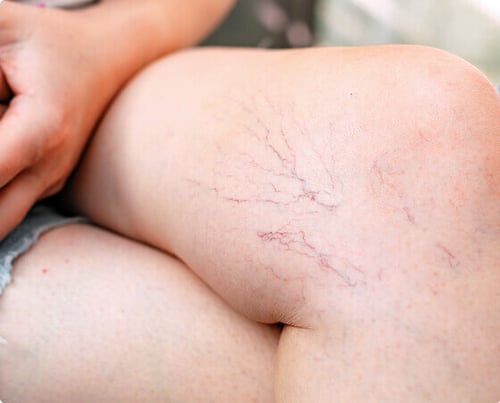
Visible blood vessels may also appear on the face, lips, hands, or inside the mouth. These small red or purple vessels resemble spider veins commonly seen in chronic venous insufficiency. Although the underlying causes differ, both conditions involve weakened vessels that become visible through the skin.
Circulation problems may also contribute to leg discomfort. Some patients experience heaviness, swelling, or aching in the legs. In addition to this discomfort, chronic blood loss from repeated bleeding can lead to anemia, which may worsen fatigue and leg weakness.
Understanding these overlapping symptoms helps patients recognize when vein evaluation may be beneficial, even if they already have a diagnosed vascular condition.
Osler-Weber-Rendu Syndrome is typically diagnosed by reviewing family history, performing a physical examination, and using specialized testing. Doctors may look for visible changes in blood vessels and ask about frequent bleeding. Imaging tests are often used to identify abnormal blood vessels deeper in the body, and genetic testing may be recommended to confirm the diagnosis.
Chronic venous insufficiency is diagnosed differently. Vein specialists use ultrasound imaging to evaluate blood flow in the leg veins, assess valve function, and identify areas where blood is pooling. This focused vein evaluation helps determine whether symptoms are related to vein disease.
While CVR doesn’t diagnose or treat the genetic cause of Osler-Weber-Rendu Syndrome, it’s essential to know that patients with rare vascular disorders can still develop chronic venous insufficiency. Identifying and treating vein disease can dramatically improve leg symptoms and boost overall circulation.
Treatment for Osler-Weber-Rendu Syndrome focuses on managing bleeding and protecting organs affected by abnormal blood vessels. This care is typically coordinated by specialists familiar with the condition. It may involve monitoring, medications, or targeted procedures such as embolization, which blocks an area that is bleeding or at risk of bleeding.
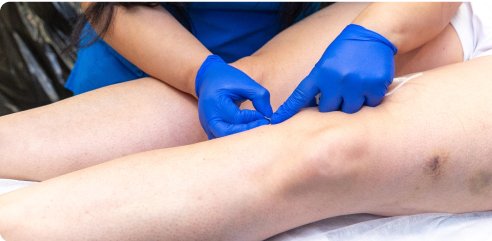
Treatment for chronic venous insufficiency focuses on improving blood flow in the leg veins. Minimally invasive vein treatments such as laser ablation are designed to close malfunctioning veins and redirect blood to healthier pathways. These treatments reduce pressure in the veins and relieve symptoms such as swelling, pain, and heaviness.
IMPORTANT: Treating chronic venous insufficiency can make a meaningful difference for patients with Osler-Weber-Rendu Syndrome who experience leg vein symptoms. The reason is clear: improving vein function helps reduce overall vascular strain and supports healthier circulation.
Remember, vein treatment isn’t intended to cure any genetic vascular disorder. Instead, it addresses treatable vein problems that contribute to discomfort and reduced quality of life.
Patients with rare vascular disorders often focus on managing debilitating symptoms such as bleeding or fatigue, meaning leg swelling, aching, or visible veins may be overlooked or assumed to be unrelated. However, untreated chronic venous insufficiency can worsen circulation and increase discomfort over time.
Vein specialists are trained to identify venous disease even in patients with complex medical histories. A comprehensive vein evaluation can determine whether symptoms are related to chronic venous insufficiency and whether professional vein treatment may help.
Addressing vein health supports the body’s overall circulation and helps reduce unnecessary stress on weakened blood vessels.

Osler-Weber-Rendu Syndrome and chronic venous insufficiency are different conditions, but both affect how veins handle blood flow. Understanding this connection empowers patients to seek the right type of care at the right time.
While genetic vascular disorders require specialized medical management, treatable vein disease should not be ignored. Improving vein function can ease symptoms, enhance circulation, and support long-term vascular health.
If you’re living with leg discomfort, visible veins, or circulation problems, the board-certified physicians at CVR can help. Schedule a consultation today to receive a comprehensive vein evaluation and a personalized treatment plan to improve your quality of life.
📞 Call Center for Vein Restoration at 240-249-8250
📅 Or book online HERE
Q: Can chronic venous insufficiency be mistaken for symptoms of Osler-Weber-Rendu Syndrome?
A: Yes. Leg swelling, heaviness, and visible veins are common in chronic venous insufficiency and may be mistaken for other vascular conditions. A vein evaluation can help determine the actual cause.
Q: Is vein treatment safe for patients with Osler-Weber-Rendu Syndrome?
A: Vein treatment may be safe for some patients, but careful evaluation is essential. A vein specialist will review medical history and coordinate care as needed to ensure treatments are appropriate and safe.
Q: Does having Osler-Weber-Rendu Syndrome limit vein treatment options?
A: Not necessarily. Treatment options depend on individual vein health, bleeding risk, and overall medical history. A vein specialist can determine which approaches are appropriate.
 About Vein Disease
 Spider Veins
 Varicose Veins
 Vein Disease Treatments
 Treating Spider Veins
 Treating Varicose Veins
 About Us
 Patient Resources
 Physician Resources